I led a session on managing menopause symptoms and here is the summary of
thoughts and information –
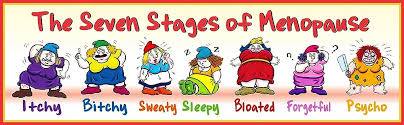
We started with symptoms and these are fairly widely known now. We listed lack of energy, hot flushes, night sweats, anxiety, low mood, depression, loss of mojo, brain fog, lack of sleep, vaginal dryness, itchy skin, incontinence issues, irritability, joint pain, muscle pain, lack of sex drive, headaches. On the up side this time of life means no more periods and, for some, a cession of migraines.
The GP view – Michelle, a phenomenally empathetic GP, gave us some great information on medical interventions to manage symptoms –
Menopause is a hormonal shift, be sympathetic to yourself. Hormone tests for menopause are very unreliable so medics take 52 as the age by which most women are through it. The menopause is the day a year after the last day of your last period. It is really helpful to go to the GP with a list of symptoms and an idea of what you would like. The GP may wish to check for other things such as thyroid function and iron levels as there may be other causes for the symptoms. Hormone Replacement Therapy (HRT) dosage is very individual and it can take a while to find the right method and level. It takes 8 – 12 weeks to see a change. If someone is on the maximum dose and symptoms are not relieved it is likely that there is another cause. ‘Menopause experts’ and private clinics are often money driven, be careful.
When taking HRT here is a slight increase in blood clot risk, this is reduced if you are on patches, sprays or gels. There is also a very small increased risk of breast cancer, of ovarian cancer and of endometrial cancer, which is cancer of the womb. Like many medical decisions it is a balancing of risk and benefit.
There is no fixed time when you ‘should’ be off HRT. It is good to try a reduced dose every couple of years but if that makes you feel awful then go back on. This can continue into your 70s.
There is no evidence that taking ‘preventative’ HRT has any benefits so it is unlikely that HRT will be prescribed to a younger woman unless they have a strong medical need. Eg after a hysterectomy.
There is also a poor evidence base for prescribing HRT purely for bone health when people are in their 60s. The only way to investigate bone density without suffering a number of fractures is to have a Dexa scan. If you eat sufficient calcium and do weight bearing exercise you will probably be OK.
The evidence is very mixed concerning the impact of HRT on the chances of a person developing Alzheimer’s.
Vaginal oestrogen pesseries are very very safe. They help with vaginal lubrication, comfortable sex and comfort on a bike saddle. They can be used with HRT. Lubricants for sex may make life more pleasurable. ‘Yes’ is recommended as it is water based. Chamois creams may also help when cycling, make sure you get a female specific one.
Testosterone can be prescribed, but solely to improve sex drive, the person should be on HRT.
Menopausal weight is very unfair as people often eat less, exercise more and they still put weight on. It is a hard battle this one.
Menopausal Hacks – we asked what the audience did to reduce the impact of menopausal symptoms. I should warn that these come from the experiences of individuals and will not work for everyone or may not be safe for everyone, so treat with caution. Here we go –
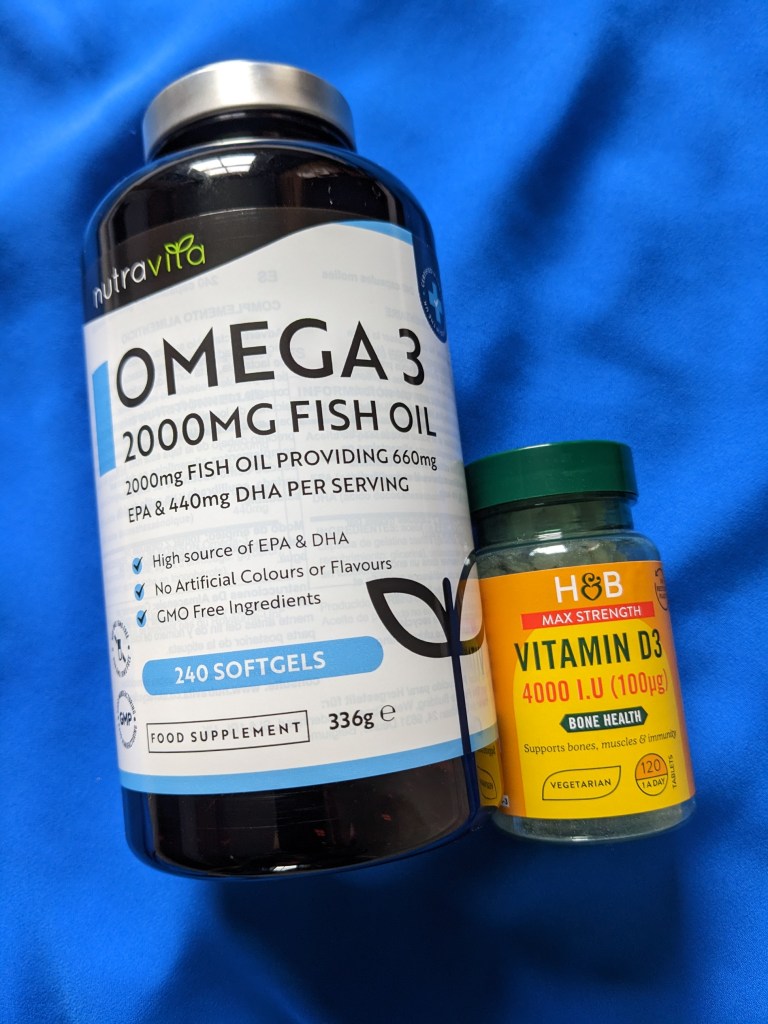
Double dose of Omega 3 helps with anxiety
Removing gluten from diet helps reduce muscle pain
Eye shield helps increase sleep time
Increase protein intake to help muscle retention
Have a good sleep routine to improve sleep quality
Have a good, consistent exercise routine
Record your steps so that you know how much you are walking and have a target to hit
Consider your energy and don’t over commit
Reduce alcohol, this reduces empty calorie intake and improves sleep quality
Same for caffeine, stick to consuming it before midday to protect your sleep
Do weight training to maintain muscle and bone strength
Do high intensity interval training (HIIT) to maintain fitness
Do yoga – Adriene or Patrick Beach on YouTube for instance
Use the NHS App Squeezy to help with pelvic floor exercises
Use Apps for memory maintaining eg Neuro Nation
Make arrangements with friends, you are far more likely to turn up to exercise
Play games such as suduku or cross words, again to stimulate the brain
Use the Balance App developed with Dr Newsome for managing menopause
Use the Her Spirit App to manage your exercise. This includes strength, yoga, pilates, cycling and enables you to track it all.
Avoid nylon clothing as it can be very hot
Take B12, found in marmite and red meat
Take iron supplement, we are often short, improves ferritin stores and therefore energy reserves. Be careful not to overdose
Manage diet using a glucose monitor in the short term and help from the book ‘Glucose Revolution’ by Jessie Inchauspe. May help lose weight. Reduces insulin spikes and helps energy flow and reduction of insulin spikes.
Primrose oil and star flower combination helps settle hormones
Noom App supports weight reduction through tracking and education
The apps Nutrachecker or MyfitnessPal track calories and food types so you can monitor protein intake for instance. Or you may discover that your health breakfast shake is actually 700 calories! My preference is Nutrachecker, much more intuitive.
Drinking Kaffir helps digestion
Take D3 2000-4000 strength. This supports bone and muscle health and your immune system
Try removing different foodstuffs from your diet and see how your body reacts
Make time for yourself, work out how to feel less guilt and learn to say NO!
People asked how to manage their training through menopause and there is a whole separate article on this. But in a nutshell – do good quality strength training twice a week. Listen to your body carefully, it will probably need more recovery time than it used to. You may need to reduce the amount of endurance exercise you do to get sufficient recovery. Your body also needs fuelling very well. Do some high intensity work if you already do. Approach high interval work with caution if you haven’t ever done much – start with short hard intervals and lots of rest between them. Enjoy – if the enjoyment has disappeared it’s time to rethink things.
Resources –
Websites
https://www.podbean.com/pu/pbblog-y6vzb-4066e5 Primary care Knowledge Boost, used by GPs as an update tool
https://www.thewell-hq.com/ – woman’s health
https://www.positivepause.co.uk/ Menopause specialists
https://www.nhmenopausesociety.org/ Menopause specialists, good library
https://www.menopausematters.co.uk/ Written by GP
Apps
Balance – about menopause
Her Spirit – fitness for women
Noom – food recording and information
Nutrachecker and MyfitnessPal – food recording
Neuro Nation – brain gym
Squeezy – NHS app for pelvic floor exercises
YouTube
Adriene and Patrick Beach – yoga
Books
Menopause Matters
Roar – Stacy Sims
Next Level – Stacy Sims and Selene Yeager
Glucose Revolution – Jessie Inchauspe
Menopocalypse – Amanda Thebe
Podcasts
The Period of the Period – solid research background
Hit Play not Pause – very American and lots of adverts but some good information
 Karma Cycling